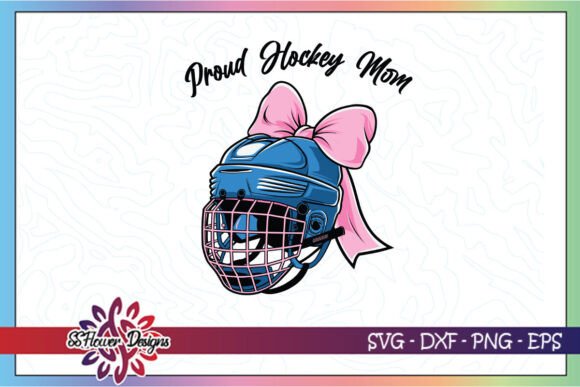
Hockey Mom Coquette Mama SVG Review
As a designer who spends more time behind an embroidery machine than a computer screen, I approach every new graphic with a specific question: will this actually stitch out cleanly, or is it just a pretty picture? When evaluating the Hockey Mom Coquette Mama SVG for potential use in my shop, I am looking past the trendy aesthetic to assess its structural integrity as a machine embroidery design. The coquette trend, characterized by delicate bows and soft femininity, has collided with the rugged, energetic world of hockey culture. This juxtaposition creates a unique niche for crafters, but it also presents specific technical challenges when translating a high-resolution PNG into thread.
First Impressions and Aesthetic Translation
My initial assessment of the Hockey Mom Coquette Mama SVG focuses on its visual balance. The design successfully merges two distinct vibes without feeling cluttered. For an embroidery project, this balance is critical. If the bow elements are too intricate, they risk becoming thread nests on lightweight fabrics. Conversely, if the hockey elements are too blocky, they lose that signature coquette softness. As a graphics asset intended for T-shirts, iron-ons, and mugs, the 300 DPI resolution suggests crisp lines, which is excellent for digitizing reference. However, for those of us creating custom apparel, we must mentally convert those pixels into satin stitches and fill stitches. The design’s personality feels perfect for a boutique product or Etsy listing targeting mothers who want to celebrate their sporty lifestyle while maintaining a feminine, polished look.
Real-World Application: The Custom Sweatshirt Test
To truly judge this design, I envision a real-life scenario: creating a personalized gift for a client who coaches youth hockey and wants a matching set of sweatshirts for her team's moms. This is a classic small shop product request. In this context, the Hockey Mom Coquette Mama SVG needs to perform on fleece or French terry fabric. These materials have texture and stretch, which can distort fine details.
When planning this sweatshirt embroidery, I would treat the source file as a guide for an applique design rather than a dense fill stitch. Using fabric for the larger bow sections reduces stitch density and prevents the garment from becoming stiff or bulletproof. The lettering in "Coquette Mama" requires careful consideration; if the font is too thin in the original graphic, it may need to be modified into a running stitch or a thicker column stitch to ensure readability after washing. For a handmade product like this, the goal is a soft hand-feel that looks professional and survives the laundry cycle of a busy hockey season.
Navigating Fabric Limitations and Hoop Sizes
While this design is versatile, it demands respect for fabric physics. I would exercise caution when applying this to performance wear or thin polyester jerseys common in hockey. These stretchy fabrics require significant stabilizer, and even then, complex coquette details can pull or pucker. If you are making a tote bag design, canvas provides a stable foundation that supports higher stitch counts and sharper corners. However, for baby embroidery or lightweight tea towels, you must simplify. Tiny decorative accents in the SVG might need to be omitted entirely to prevent needle damage or fabric tearing.
Hoop size is another practical constraint. The layout of the Hockey Mom Coquette Mama SVG likely dictates a minimum hoop dimension. Before purchasing or digitizing, verify that the design fits your machine’s capabilities without excessive re-hooping. For cap embroidery, the curved surface makes wide, horizontal designs difficult. You might need to separate the bow element from the text to create a viable embroidered patch or left-chest logo instead of forcing the full composition onto a curved bill.
Commercial Viability and Customer Perception
For Etsy sellers and creative entrepreneurs, visual appeal drives sales, but quality drives reviews. Using this design for commercial embroidery projects requires ensuring the final output matches the digital mockup. Customers trust handmade shops that deliver crisp, clean stitching. If the "Coquette" bows look messy or the text is illegible on dark fabric, it devalues your brand. I recommend testing the design in black and white mockups to check contrast before committing to thread colors. Dark fabrics, in particular, can swallow fine details; you may need to add a white underlay or adjust the thread color palette to maintain definition.
This design also holds strong potential for mixed-media businesses. Since you receive a high-resolution PNG with a transparent background, it serves dual purposes. You can use it for printable mockups to test market demand on social media before stitching a single sample. It works beautifully for card making and scrapbooking, allowing you to offer coordinating physical and digital products. This versatility maximizes the ROI on your design assets, whether you are selling finished custom apparel or using it for boutique branding materials.
Essential Designer Notes for Success
Before loading this file into your software or sending it to production, adhere to these practical checkpoints:
- Verify Licensing: Always confirm whether your purchase includes commercial rights for selling finished products versus digital files. The description mentions ideal uses, but explicit license terms protect your business.
- Test Stitch Out: Never run a new design on a customer’s garment first. Test on scrap fabric similar to your final project to check stitch density and tension.
- Stabilizer Selection: Match your stabilizer to the fabric weight. Stretchy knits need cut-away stabilizer; woven tote bags may only need tear-away.
- Detail Inspection: Zoom in on the PNG. If lines are thinner than 1mm at your intended print size, they may not digitize well as satin stitches and might require manual adjustment.
- Color Contrast: Evaluate thread colors against both light and dark backgrounds. Coquette aesthetics often use pastels, which may disappear on white fabric without a darker outline or shadow effect.
- File Format Check: Remember that the delivered file is a PNG. Ensure you have the software and skill to digitize this into a machine-readable embroidery file, or hire a professional digitizer if you lack this capability.
Final Thoughts on Design Utility
The Hockey Mom Coquette Mama SVG represents a timely intersection of trends that resonates with a specific, passionate demographic. Its value lies not just in the image itself, but in how thoughtfully it is executed in thread. Whether you are crafting a holiday gift, stocking your Etsy shop with seasonal gear, or designing merchandise for a local league, success depends on respecting the technical limits of embroidery. By treating this graphic as a starting point for thoughtful digitization rather than a plug-and-play solution, you elevate your work from generic crafting to professional textile art. Always prioritize stitch quality over complexity, and your finished products will reflect the care and expertise that customers seek in the handmade marketplace.